

Targeted Therapy in Cancer: What It Is, How It Works, Eligibility Criteria
Cancer is a leading cause of death, accounting for almost 10 million deaths globally in 2020. Chemotherapy frequently damages healthy cells in addition to cancer cells, and radiation, surgery, and chemotherapy have been the foundations of treatment for decades.
Over the past ten years, targeted therapy has become a more accurate choice. These medications target the particular proteins and genetic alterations that fuel a given cancer, in contrast to conventional chemotherapy. Physicians can design individualized treatment programs that prevent cancer growth and spread while minimizing harm to healthy tissue by understanding these molecular changes
Targeted Therapy vs Chemotherapy: What’s the difference
Targeted therapy works differently from traditional chemotherapy. Chemotherapy is cytotoxic and can damage healthy and cancerous cells. Targeted therapies examine the molecular changes within cancer cells, causing minimal to no damage to normal cells.
Since chemotherapy is cytotoxic to healthy tissues, patients often experience symptoms relating to healthy cell damage: hair loss, debilitating fatigue, nausea, mouth sores, and nerve damage. While targeted therapies are still not without issues—high blood pressure, skin rashes, diarrhea, and fatigue—targeted therapies usually have minor toxicity compared to traditional chemotherapy.

How Does Targeted Therapy Work?
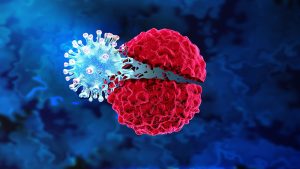
Targeted therapy drugs are designed to recognize and ultimately attack the mutations in cancer cells. They are also curated to block specific signals sent inside a cancer cell that tell it to grow. To develop targeted therapy drugs, researchers and experts aim to understand the genetic properties of a cancer cell that enable it to grow. Once the targets have been identified in the lab, the drugs are developed to attack that particular cancer. The action of a targeted therapy drug then helps:
- immune system to destroy cancer cells: The ability of cancer cells to evade detection by the immune system contributes to their growth. Some targeted treatments can designate cancer cells, making it simpler for the immune system to locate and eliminate them. Additional personalized treatment may strengthen the patient’s immune system and improve their ability to fight cancer cells.
- Interrupt signals that allow cancer cells to grow: The body’s healthy cells only divide to create new ones when they get specific signals to do so. These signals cause the cells to divide by binding to proteins on the cell surface. However, surface protein alterations in certain cancer cells instruct them to proliferate regardless of the presence of signals. Certain targeted treatments disrupt these proteins, stopping them from instructing the cells to divide. This procedure aids in slowing the uncontrolled growth of cancer.
- Block signals that aid in the formation of blood vessels: Tumors must undergo a process known as angiogenesis to generate new blood vessels and expand beyond a specific size. Angiogenesis begins when signals from the tumor are sent. Angiogenesis inhibitors, a class of targeted medicines, obstruct these signals to stop the formation of a blood supply. Tumors remain tiny in the absence of a blood supply. Alternatively, if a tumor already has a blood supply, these treatments may lead to the breakdown of blood vessels, which may shrink the size of the tumor.
Why is targeted therapy called precision medicine
Targeted therapy is also referred to as precision medicine. This is because they are created to precisely attack the changes or substances in cancer cells. These substances can be different even when two patients have the same type of cancer. With the help of a biopsy or biomarker testing, certain types of tumors are tested to find the most effective form of treatment. Targeted therapy drugs are usually classified under two categories:
- Small-molecule drugs: These drugs are small enough to enter a cancer cell upon recognition. Once they enter the cancer cell, they then target a specific substance inside the cancer cell and block it.
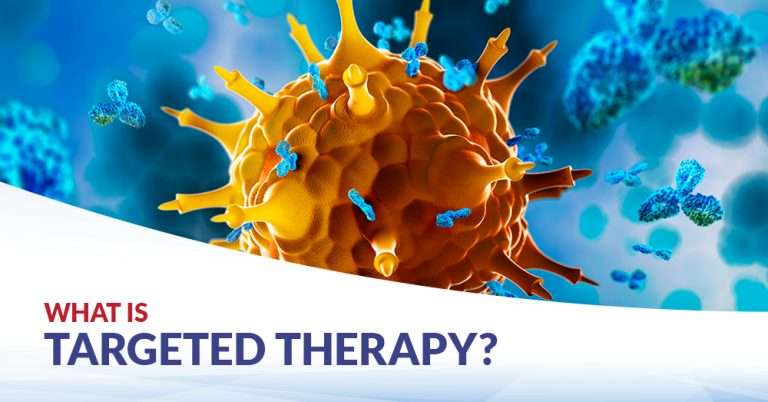
- Large-molecule drugs: These drugs don’t enter a cancer cell because they are too big. Their primary aim is to attack and weaken the proteins or enzymes on the surface of the cells. Once these proteins or enzymes have been weakened, the drug can then effectively combat the cancer cells in the body.
How Can a Patient Be Determined To Be Eligible for Targeted Therapy?
Most patients with specific cancers will have a target that is appropriate for a particular targeted therapy, making them good candidates for receiving this form of treatment. For instance, the majority of patients with Chronic Myelogenous Leukemia (CML) have the BCR-ABL fusion gene. With the use of biomarker testing, physicians can determine if a patient is a good candidate for targeted therapy by looking for certain biomarkers. Biomarker testing is the process of looking for genes, proteins, and other materials that might give more details about a cancer. Each patient with cancer exhibits a unique pattern of biomarkers. The effectiveness of certain cancer treatments is influenced by particular biomarkers. Together with your oncologist, biomarker testing may help a patient identify potential sources of treatment.
Targeted Therapy For Different Types of Cancers
Targeted therapy as a line of treatment for cancer is a rapidly growing field of research, and researchers are constantly studying the efficacy of various drugs through clinical trials. Some cancers that have shown positive results when treated with targeted therapy drugs include:
- Breast Cancer: Human epidermal growth factor receptor 2 (HER2) is a protein that is overexpressed in 20% to 25% of breast cancer cases. Tumor cells proliferate due to this protein. There are numerous alternatives for targeted therapy if the malignancy is HER2-positive. Trastuzumab is a drug that is commonly used for non-metastatic HER2-positive breast cancer. A trastuzumab-based regimen, which frequently combines trastuzumab with chemotherapy, is administered to patients with stage I to stage III breast cancer. This is followed by adjuvant HER2-targeted therapy for a full year.
- Chronic Myeloid Leukemia (CML): The formation of the gene BCR-ABL is the primary cause of nearly all cases of chronic myeloid leukemia. The BCR-ABL protein, an enzyme, is produced as a result of this gene. This protein induces cancer-like behavior in healthy myeloid cells. Imatinib and dasatinib are targeted therapy drugs that are commonly used for the treatment of this cancer.
- Colorectal Cancer: Epidermal growth factor receptor (EGFR) is a protein that is frequently overexpressed in colorectal cancer. Anti-EGFR medications may help prevent or reduce the spread of cancer. A medication that inhibits vascular endothelial growth factor (VEGF), a tumor-agnostic approach that targets an NTRK fusion, and anti-angiogenesis therapy are further alternatives. This protein aids in blood vessel formation. Fruquintinib is a targeted therapy drug that is commonly used for this cancer.

Conclusion
Targeted therapy for cancer treatment is a rapidly growing field of research and has shown great promise over the last decade. By targeting proteins that control how cancer cells grow, divide, and spread, targeted therapy specifically targets cancer cells as opposed to the one-size-fits-all approach seen in conventional lines of treatment for cancer.